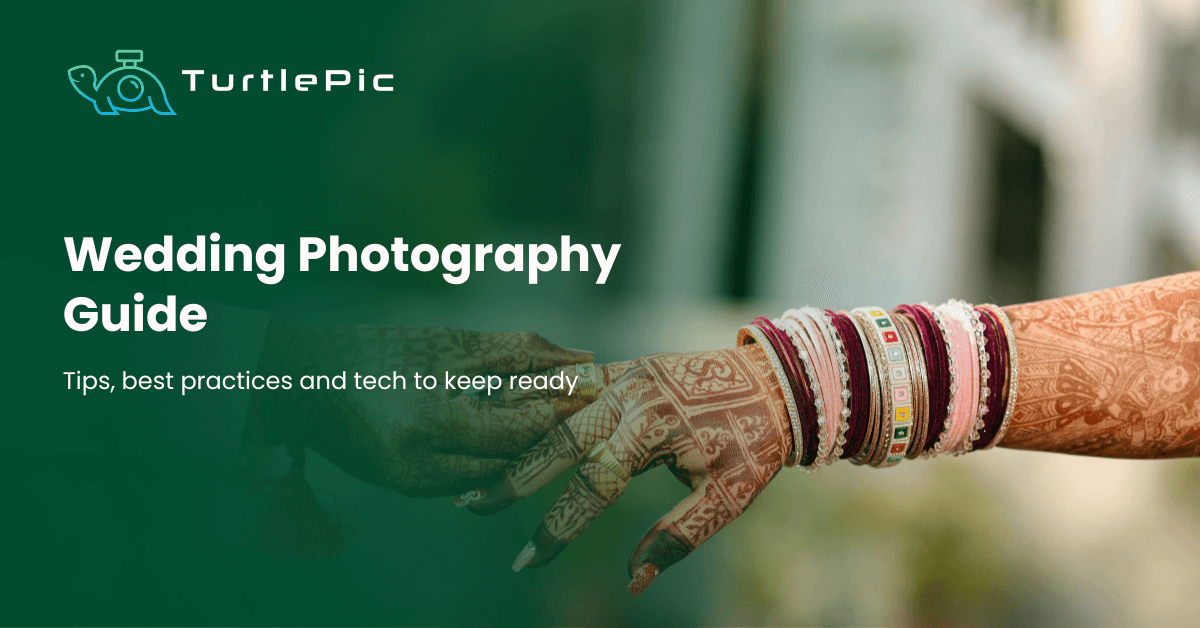
Wedding photography is more than just capturing moments; it’s about telling a story filled with emotions, laughter, and once-in-a-lifetime memories. Whether you’re a seasoned photographer or just starting out, mastering the art of wedding photography requires a mix of technical skills, creativity, and preparation.
In this guide, we’ll walk you through everything you need to know, from planning the perfect shots to post-processing and delivering an unforgettable album.
Modern Wedding Photography Challenges
Modern weddings look very different from how they did even a few years ago. They’re larger, more dynamic, and heavily documented across multiple events and venues. As a result, photographers now capture thousands of photos per wedding, turning post-production and delivery into a major part of the job.
Expectations have evolved just as quickly. Couples and guests no longer want to wait weeks to relive the day; they expect fast access, easy photo distribution, and clear privacy controls. Guests often reach out directly for their pictures, while families want reassurance that personal moments aren’t shared publicly. At the same time, photographers are evaluated on how professionally they present and deliver these memories, making branding, speed, and experience just as important as the images themselves.
Wedding Photography Is No Longer Just About Taking Photos
Today, great wedding photography doesn’t end when the camera is packed away. Couples expect fast, digital delivery that lets them relive their day without long waits, while guests want an easy way to find and download their own photos. The focus has shifted from simply capturing moments to how those moments are shared and experienced.
As a result, photographers are increasingly judged on the overall experience, i.e., the speed, accessibility, and presentation of their photo delivery, not just the quality of individual images. A smooth, professional delivery process has become just as important as the photos themselves.
The Core Elements of Great Wedding Photography
The sections below break down the essential elements every wedding photographer needs to get right, before, during, and after the wedding day:
1. Understanding the Couple’s Vision
Every couple has a unique love story, and their wedding photos should reflect their personalities and preferences. Before the big day:
- Schedule a pre-wedding consultation to understand their expectations.
- Discuss preferred styles (candid, traditional, editorial, documentary).
- Create a shot list for key moments (first look, vows, group portraits).
Pro Tip: Use tools like mood boards or Pinterest to align on photography styles.
2. Essential Wedding Photography Gear
Having the right gear ensures you capture the best shots, regardless of the venue or lighting conditions.
Must-Have Camera Equipment:
- Full-frame DSLR or mirrorless camera (for superior image quality).
- 50mm or 85mm prime lens (great for portraits & low-light conditions).
- 24-70mm f/2.8 lens (versatile for ceremonies & receptions).
- 70-200mm f/2.8 lens (for candid & long-range shots).
- External flash & reflectors (for better lighting control).
Tip: Always carry extra batteries, memory cards, and backup gear to avoid last-minute mishaps.
3. Mastering the Wedding Day Timeline
A well-planned timeline ensures you don’t miss any important moments. Break the day into key photography phases:
Getting Ready
- Capture candid behind-the-scenes moments of the bride & groom
- Detail shots: wedding dress, jewelry, shoes, and invitation cards.
First Look & Couple Portraits
- This is an emotional moment, capture genuine reactions.
- Shoot outdoors for natural lighting and scenic backgrounds.
Ceremony & Reception
- Focus on the couple’s expressions, guest reactions, and key rituals.
- Capture family & group photos immediately after the ceremony.
Pro Tip: Use continuous shooting mode to capture emotions in real time.
4. Posing & Candid Photography
Not every couple is comfortable in front of the camera, so it’s your job to make them feel at ease.
- Guide them with simple, natural poses instead of forced smiles.
- Encourage movement-based poses (walking, dancing, twirling).
- Capture raw, emotional moments (laughter, tears, warm hugs).
Tip: Use a mix of wide-angle & close-up shots for storytelling.
5. Mastering Lighting for Wedding Photography
Lighting plays a crucial role in setting the mood of wedding photos.
- Outdoor Weddings: Use golden hour (sunrise/sunset) for dreamy portraits.
- Indoor Weddings: Rely on soft flash & reflectors to avoid harsh shadows.
- Night Receptions: Use string lights, candles, or LED panels for a warm ambiance.
Tip: Adjust your ISO, aperture, and shutter speed to balance exposure.
6. Guest Experience Matters More Than Ever
The wedding experience extends beyond the couple, guests now expect easy and frictionless access to their photos.
- Quick Photo Discovery: Guests want to find their own photos without scrolling endlessly or asking the photographer.
- QR Code Access at Venues: Placing QR codes at the venue makes it simple for guests to access photos instantly.
- Frictionless Sharing: No logins or complicated steps ensure a smooth, enjoyable experience for everyone.
- Privacy-First Delivery: Secure galleries protect personal moments and give couples control over who can view their photos.
Pro Tip: Use AI-powered galleries with QR codes to deliver photos instantly while keeping access private and seamless for guests.
7. Delivering Wedding Photos Efficiently
Capturing great photos is only one part of the job. How you organize, share, and deliver those photos shapes the entire post-wedding experience.
- File-Sharing Tools Don’t Scale: Google Drive and WhatsApp aren’t designed for large wedding albums, often leading to compressed images, poor organization, and limited privacy control.
- Structure and Privacy Matter: Organized, private galleries help couples manage visibility while keeping personal and family moments secure.
- Guests Want Instant Discovery: Personalized access allows guests to easily find and download their own photos without endless scrolling or repeated follow-ups.
- Speed is Now Expected: Same-day or near-instant sharing of highlights has become an expectation, not a bonus, for modern weddings.
Pro Tip: A dedicated wedding gallery platform simplifies delivery while maintaining quality, privacy, and a professional presentation.
8. Editing, AI & Delivering Wedding Photos Efficiently
Post-processing plays a key role in enhancing wedding photos while preserving a natural, timeless look. Here’s how AI tools can help photographers streamline their final delivery workflow:
- Image Refinement: Adjust color tones, contrast, and sharpness to create a polished finish without over-editing or losing authenticity.
- Distraction Cleanup: Remove unwanted elements subtly, ensuring the focus stays on emotions, people, and key moments.
- Album Organization: With hundreds or thousands of photos, structured albums and galleries are essential for easy browsing and sharing.
- AI-Powered Workflows: AI-powered tools can automatically organize photos and reduce manual sorting, saving significant post-production time.
- Guest-Specific Photo Access: Guests can instantly find photos they appear in, eliminating endless scrolling and repeated photo requests.
- Better Guest Experience: Faster turnaround times and personalized access improve satisfaction for both couples and guests.
Pro Tip: AI-powered platforms like TurtlePic help photographers organize, deliver, and share wedding albums efficiently while giving guests instant access to their photos through face recognition.
Bonus Tip: How to Market Your Wedding Photography Business
To stand out in a competitive industry, photographers need a strong online presence.
- Build a stunning portfolio showcasing your best wedding shots.
- Use Instagram & Pinterest for client engagement.
- Offer AI-powered photo galleries with platforms like TurtlePic to attract tech-savvy couples.
Pro Tip: A QR code standee at the wedding venue (generated through TurtlePic) makes it easy for guests to access and download their photos!
Wedding Photography Trends Photographers Should Know in 2026
Here are some wedding photography trends shaping how photographers shoot, deliver, and present their work in 2026.
- Shift Toward Candid, Documentary-Style Storytelling: Couples are moving away from staged poses and scripted shots. They want honest emotions, real interactions, and stories captured naturally as the day unfolds.
- Increased Demand for Faster Photo Turnaround Times: Waiting weeks for wedding photos is no longer acceptable for many couples. Early previews and quick highlights have become a standard expectation.
- Growing Expectation for Digital-First Delivery Experiences: Couples and guests now expect photos to be shared digitally in a clean, mobile-friendly format without complicated downloads or login steps.
- Use of AI for Sorting, Editing, and Delivery Workflows: AI tools are helping photographers speed up post-production by automating sorting, organization, and parts of the delivery process.
- Minimalist, Natural Editing Styles Gaining Popularity: Clean edits with true-to-life colors and soft tones are replacing heavy filters, creating timeless images that age well.
- Greater Focus on Guest Experience, Not Just Couple Portraits: Photographers are increasingly judged on how easily guests can find and access their photos, making guest experience a key part of modern wedding coverage.
How Many Photos Should a Wedding Photographer Deliver
For a full-day wedding, photographers typically deliver anywhere between 400 and 800 final photos. The exact number depends on several factors, including the number of events, guest count, total coverage hours, and whether one or multiple photographers are involved. Larger weddings with multiple ceremonies naturally generate more images than intimate, single-day celebrations.
That said, quality matters far more than quantity. Couples prefer a thoughtfully curated set of photos that clearly tells the story of their day rather than thousands of repetitive frames. Setting expectations upfront helps align on what will be delivered, while offering a balance between curated albums and full galleries ensures couples can enjoy their memories without feeling overwhelmed.
How Long Does Wedding Photo Editing & Delivery Usually Take
During peak wedding season, most photographers deliver full wedding galleries within 6–8 weeks, especially for full-day or multi-event weddings. In heavier workloads, timelines can extend to 2–3 months, while off-season deliveries are usually much quicker. Highlight or preview photos are typically shared within a few days to a week.
Even when full albums take longer, couples now expect early previews. Sharing highlights helps manage expectations and keeps the excitement going. Clear timelines, paired with efficient workflows and automation, reduce follow-ups and ensure a smoother post-wedding experience.
How to Manage Guest Photo Requests Without Getting Overwhelmed
Here’s how to manage guest photo requests without getting overwhelmed:
- Share one centralized gallery instead of sending photos individually, so guests always know where to find their pictures.
- Enable self-serve photo discovery via AI face recognition on platforms like TurtlePic, so guests can find their own photos without manual assistance.
- Set expectations early with QR code access at the venue, so guests know how photos will be shared and don’t reach out repeatedly after the event.
What Couples Expect from Wedding Photographers Today
Here’s what couples expect from wedding photographers today:
1. Fast and Transparent Communication
Couples expect timely responses and clear updates throughout the process, from initial inquiry to final delivery. Open communication builds trust and avoids unnecessary confusion.
2. Clear Delivery Timelines and Processes
Photographers are expected to clearly outline when previews, full galleries, and albums will be delivered, helping couples plan without chasing updates.
3. Easy Access to Photos for Both Couple and Guests
Couples want a simple way to share photos with family and friends, without managing multiple links or responding to repeated requests.
4. High-Quality, Consistent Editing Style
Consistency matters. Couples expect their final photos to reflect the style they saw while booking, with uniform tones and a polished finish.
5. Professional Presentation of Galleries and Albums
Clean, well-organized galleries elevate the overall experience and make reliving the wedding feel intentional and premium.
6. Respect for Privacy and Personal Moments
Couples value privacy and expect photographers to protect intimate moments, sharing photos thoughtfully and with controlled access.
Why AI Galleries Matter for Wedding Photographers
AI-powered galleries do more than simplify delivery; they directly impact how photographers are perceived and how efficiently they can work.
- Faster Turnaround Times: Quicker delivery leads to happier couples and stronger post-wedding impressions.
- Fewer Guest Follow-Ups: Easy photo discovery reduces repetitive messages asking for specific photos.
- More Professional Presentation: Clean, branded galleries elevate how your work and service are perceived.
- Easier Scalability: Streamlined workflows make it possible to handle more weddings without increasing manual effort.
Wedding Day Tech Checklist
A smooth wedding day depends on having the right tools at hand. Here’s a quick checklist to stay prepared and efficient:
- Backup Cameras & Batteries: Always have spares ready to avoid disruptions.
- Lighting Gear: Flashes, reflectors, and portable lights help capture the best shots in any setting.
- Shot List: Ensure all key moments are captured without missing anything.
- QR Code Standee: Makes it easy for guests to access their photos at the venue.
- AI-Powered Gallery: Streamlines sorting and delivery for faster, professional results.
Wedding Photography Mistakes That Hurt Client Experience
Here are some common wedding photography mistakes that hurt client experience:
- Delaying photo delivery without clear communication creates frustration and uncertainty, especially when couples don’t know when to expect previews or final galleries.
- Using generic file-sharing tools like Google Drive or WhatsApp often confuses guests and leads to quality loss, while platforms like TurtlePic offer organized, guest-friendly galleries built specifically for events.
- Poor organization of wedding albums makes it hard for couples to relive their story and reduces the perceived value of the photography service.
- Ignoring the guest experience entirely results in repeated photo requests and unnecessary follow-ups that could be avoided with self-serve access.
- Over-promising on timelines or deliverables and under-delivering damages trust and impacts long-term reputation.
- Lack of privacy controls when sharing photos risks oversharing personal moments, whereas solutions like TurtlePic allow controlled, private access that protects both couples and photographers.
Final Thoughts
Wedding photography today isn’t just about great images, it’s about the experience around them. Couples expect clear communication, faster delivery, easy access, and privacy, all wrapped in a professional presentation.
Photographers who streamline their post-wedding workflow stand out. Platforms like TurtlePic make photo delivery faster, simpler, and more secure, while reducing guest follow-ups and manual effort.
Start your free trial with TurtlePic and deliver wedding photos the smarter way.
FAQs
How do wedding photographers share photos with guests?
Photographers typically use organized digital galleries or AI-powered platforms. These allow secure, private access, making it easy for guests to find and download their photos without manual distribution.
Is face recognition safe for wedding photo sharing?
Yes. When implemented via secure, privacy-first platforms, face recognition ensures guests only see their own photos. Data is encrypted, and access is restricted to invited individuals.
How soon should wedding photos be delivered?
Modern couples expect highlight photos within hours or a few days, while full albums may follow in 1-2 weeks. Faster delivery enhances satisfaction and guest experience.